The Enchanting Venice Carnival: A Celebration of Masks Mystery

Nestled in the heart of the Venetian Lagoon, the city of Venice, Italy, is renowned for its unique architecture, romantic canals, and rich history. However, one of the most captivating aspects of Venice is its annual Carnival, a vibrant festival that dates back to the 12th century. This celebration is not just a party; it’s a living, breathing piece of history that transforms the city into a magical realm of masks, mystery, and revelry.

The Venice Carnival, known as Carnevale di Venezia, is a time when the city’s narrow streets and grand piazzas come alive with the sounds of music, the swirl of dancers, and the spectacle of elaborate costumes. The festival typically takes place in February or March, leading up to the Catholic period of Lent, and lasts for ten days, culminating on Shrove Tuesday (Martedì Grasso) or Mardi Gras.

The origins of the Carnival can be traced back to the Republic of Venice, when it was one of the most powerful maritime republics in the world. The Carnival was a time when social hierarchies were momentarily set aside, allowing people from all walks of life to mingle and celebrate together. The use of masks, an iconic feature of the festival, provided a sense of anonymity and freedom, allowing individuals to escape their daily identities and inhibitions.

The Carnival was officially abolished in 1797 when Napoleon conquered Venice, but it was revived in 1979 by the city’s residents who wished to reclaim their cultural heritage. Since then, the Venice Carnival has grown into an international event that attracts thousands of visitors from around the globe.

One of the most striking features of the Venice Carnival is the art of mask-making. Venetian masks are not just simple disguises; they are intricate works of art, often handcrafted by skilled artisans using traditional techniques. Made from paper-mâché or leather, these masks are adorned with paint, gilding, and embellishments, creating a myriad of characters that roam the city during the festivities. The most famous of these masks is the Bauta, a white mask that covers the entire face, paired with a cloak and tricorne hat, allowing wearers to eat and drink without removal.

The festival is filled with a variety of events, including grand masquerade balls, historical regattas, and street performances. One of the most anticipated events is the “Flight of the Angel,” where a chosen woman, representing the spirit and beauty of Venice, is lifted by wires from St. Mark’s Basilica and flies over St. Mark’s Square to land on a platform, symbolizing freedom and the flight of time.

The Venice Carnival is not only a visual feast but also a cultural journey. It offers a glimpse into the past, where tradition and history intertwine with the present, creating a unique experience that is both enchanting and thought-provoking. It’s a celebration of life, beauty, and the human spirit, where every mask tells a story, and every costume is a piece of art.

As the sun sets over Venice during the Carnival, the city is illuminated by the glow of lanterns and the sparkle of masks. The laughter and music echo through the ancient alleyways, and for a brief moment, the boundaries between past and present, reality and fantasy, blur. The Venice Carnival is a testament to the enduring spirit of celebration and the timeless allure of Venice itself.

Italian Hidden Gem Exploration: Beyond Rome and Venice

Italy, a country renowned for its rich history, stunning landscapes, and culinary delights, often sees its most famous cities—Rome and Venice—dominate travel itineraries. While these iconic destinations are undoubtedly worth visiting, Italy offers a plethora of lesser-known locales that are equally enchanting. Let’s embark on a journey to explore some of Italy’s hidden gems, offering unique experiences away from the usual tourist trails.

1. Matera: The Ancient City of Stone

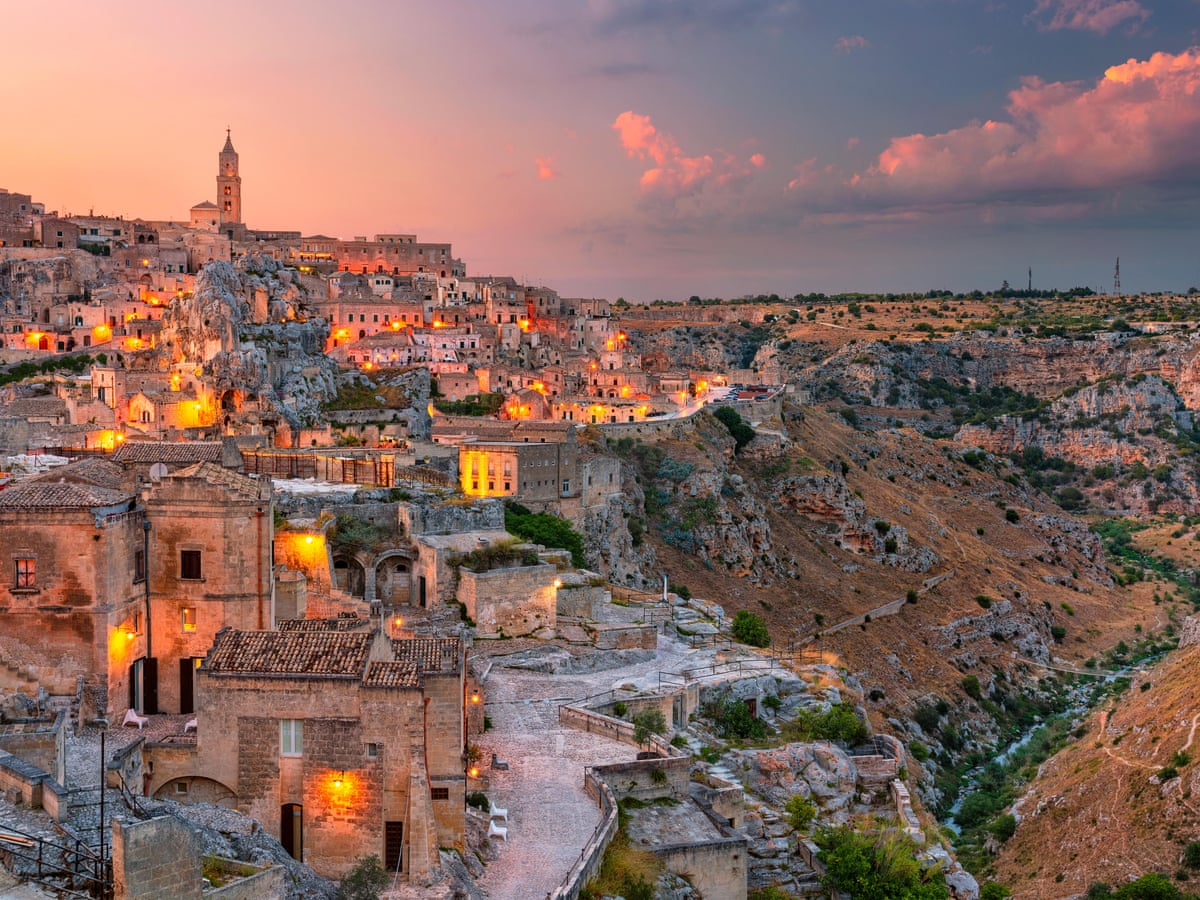
Matera: Italy's magical city of stone | Italy holidays | The Guardian

Matera, located in the southern region of Basilicata, is a city like no other. Known for its ancient cave dwellings, or “Sassi,” Matera is a UNESCO World Heritage Site and was named the European Capital of Culture in 2019. The Sassi, carved into limestone cliffs, date back to prehistoric times and offer a glimpse into human history. Visitors can explore the labyrinthine streets, ancient churches, and stunning rock formations that make Matera a unique destination.

2. Bologna: The Culinary Heart of Italy

Bologna - Italy's Food Heart - Food Wine Garden

Bologna, often overshadowed by its more famous neighbors, is a paradise for food lovers. The city is the capital of the Emilia-Romagna region, renowned for its culinary traditions. From the rich and savory Bolognese sauce to fresh handmade pasta, Bologna is a haven for gastronomes. The city’s medieval architecture, with its iconic red-brick buildings and towers, adds to its charm. Don’t miss the opportunity to visit the oldest university in the world, the University of Bologna, founded in 1088.

3. Cinque Terre: The Coastal Quintet

Best Beaches in Cinque Terre: Italy's Coastal Gems - Eros+Psyche Travel

Cinque Terre, meaning “Five Lands,” is a collection of five picturesque villages perched along the rugged Ligurian coastline. These colorful villages—Monterosso al Mare, Vernazza, Corniglia, Manarola, and Riomaggiore—are connected by hiking trails offering breathtaking views of the sea. Each village has its unique character, with charming harbors, vibrant houses, and delicious seafood. Cinque Terre is a UNESCO World Heritage Site and a must-visit for those seeking natural beauty and tranquility.

4. Alberobello: The Trulli Town

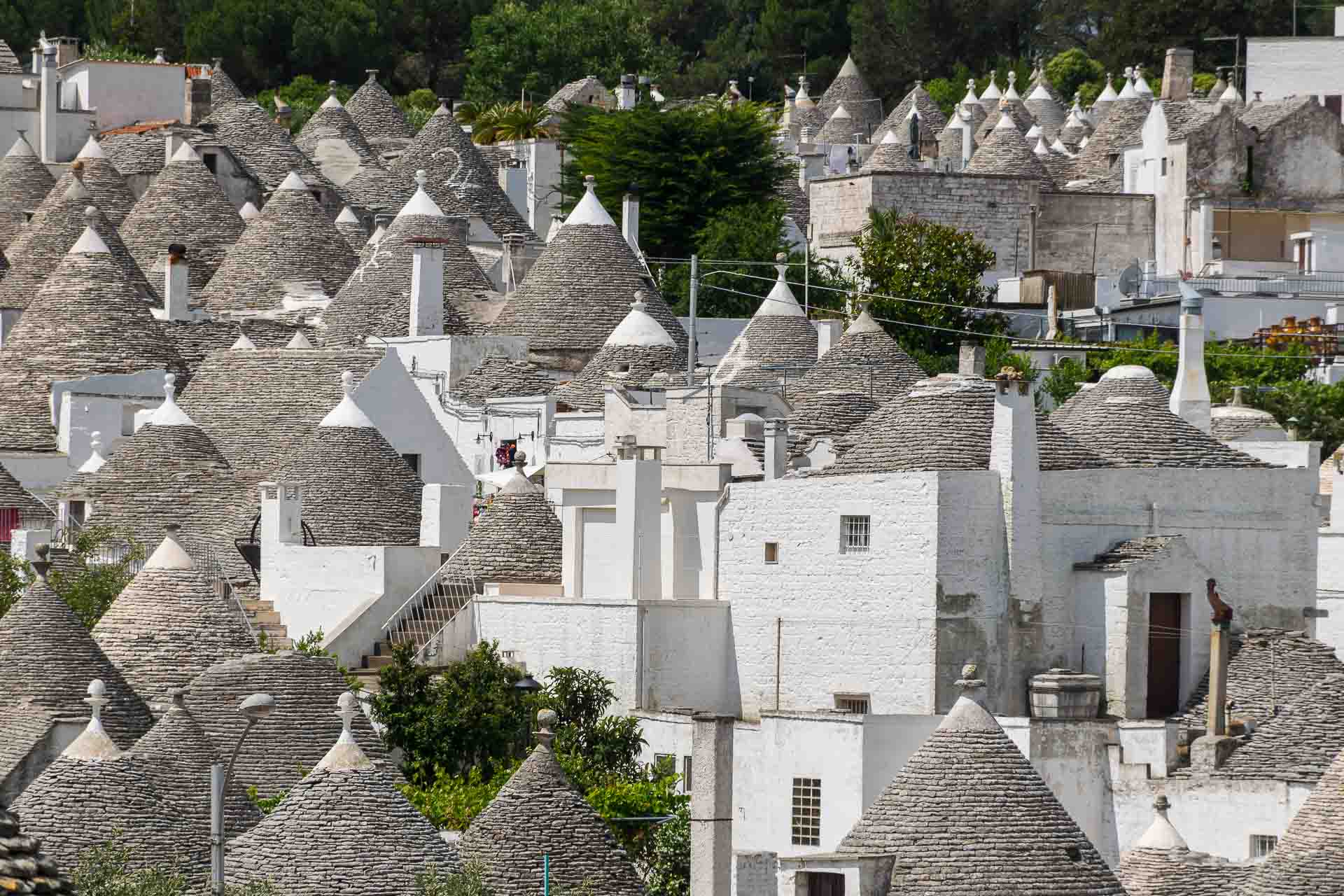
Alberobello Italy - The history of the Trulli houses in Puglia

Alberobello, located in the Apulia region, is famous for its trulli—whitewashed stone huts with conical roofs. These unique structures, dating back to the 14th century, create a whimsical and fairy-tale-like atmosphere. The town is a UNESCO World Heritage Site and a perfect destination for those interested in architecture and history. Strolling through the narrow streets of Alberobello, visitors can explore the Trullo Sovrano, the only two-story trullo, and the Trulli Museum.

5. Sardinia: The Island Paradise

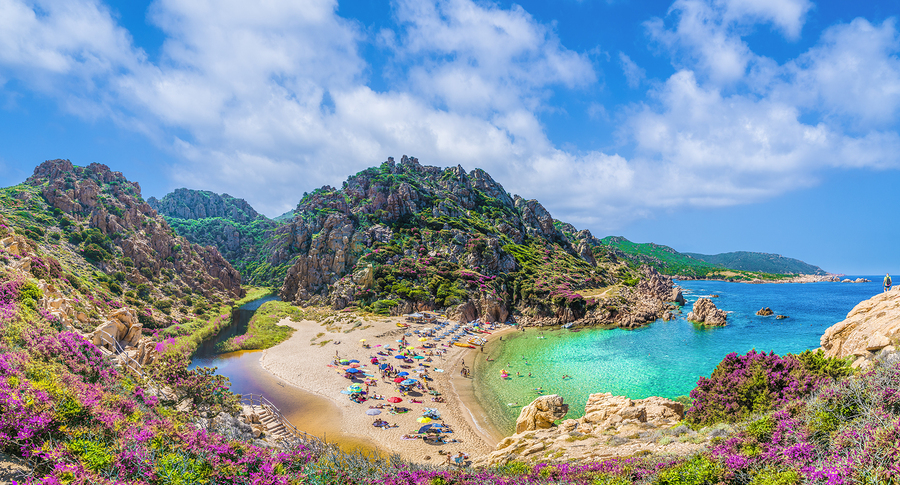
On the Road on the Paradise Coast in Sardinia | ITALY Magazine

Sardinia, the second-largest island in the Mediterranean, offers a diverse landscape of pristine beaches, rugged mountains, and ancient ruins. The island’s crystal-clear waters and sandy shores are perfect for beach lovers, while the interior mountains provide excellent hiking opportunities. Sardinia is also home to the mysterious Nuraghe structures, stone towers built during the Bronze Age. The island’s rich history, combined with its natural beauty, makes Sardinia a hidden gem worth exploring.

6. Turin: The Baroque Beauty

Basilica of Superga: a massive church overhanging Turin - Dear Italy  Piedmont


Turin, the capital of the Piedmont region, is a city of elegance and sophistication. Known for its Baroque architecture, Turin boasts grand boulevards, historic cafes, and stunning palaces. The city is also the home of the Shroud of Turin, a religious relic that attracts pilgrims from around the world. Turin’s rich cultural scene includes world-class museums such as the Egyptian Museum, which houses one of the most extensive collections of Egyptian antiquities outside Cairo.

7. Trieste: The Crossroads of Cultures

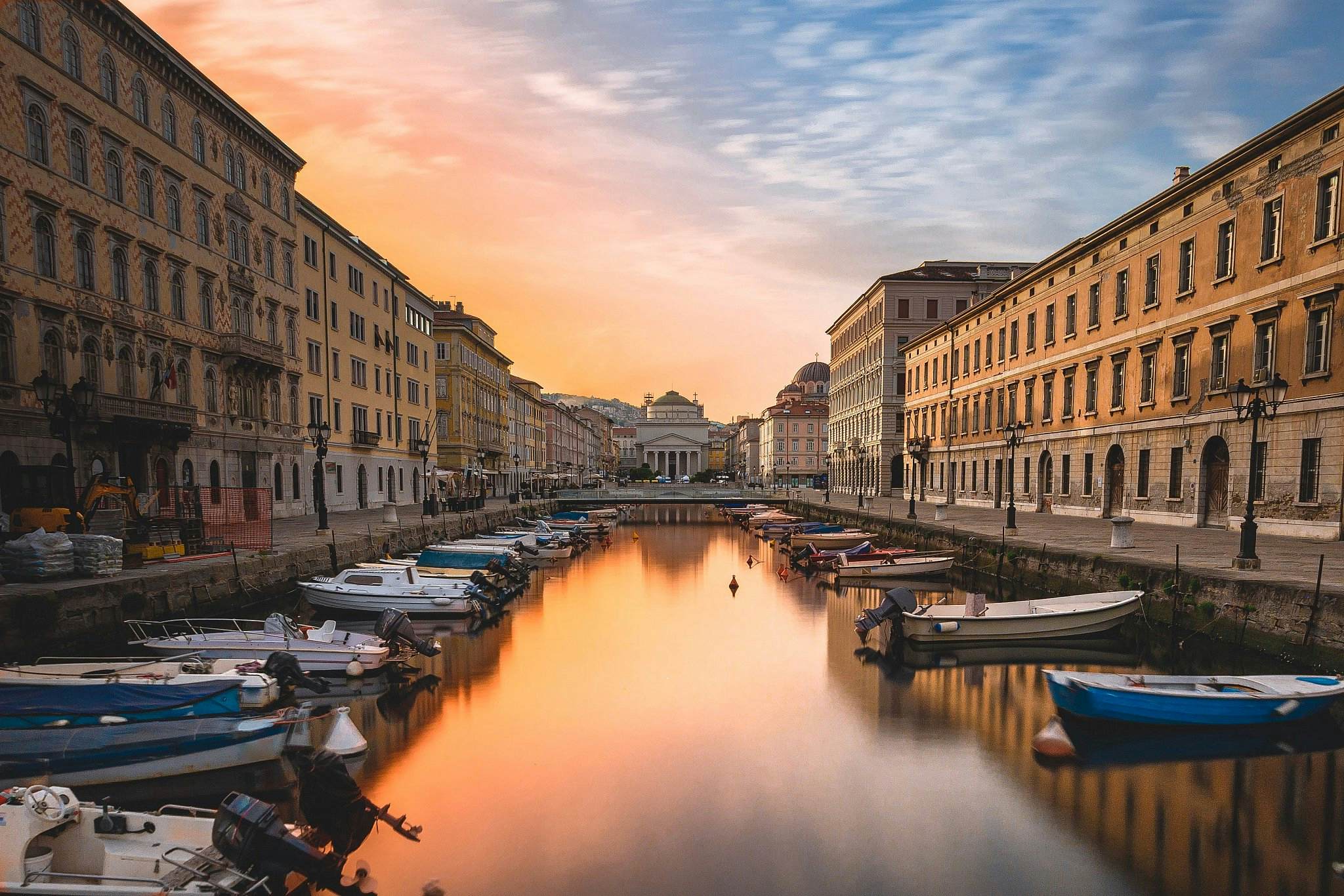
Why Trieste will be Italy's next big destination - Lonely Planet

Trieste, a port city located at the crossroads of Italian, Slovenian, and Austrian cultures, offers a unique blend of architectural styles and culinary influences. The city’s grand squares, neoclassical buildings, and coffeehouses reflect its Austro-Hungarian heritage. Trieste’s waterfront, with its picturesque canals and historic ships, is perfect for a leisurely stroll. The city’s diverse cultural heritage is also evident in its cuisine, which features a mix of Italian, Slavic, and Central European flavors.

Conclusion

Italy’s hidden gems offer a wealth of experiences for those willing to venture beyond the well-trodden paths of Rome and Venice. From ancient cave dwellings and fairy-tale trulli to coastal villages and Baroque cities, these lesser-known destinations provide a deeper understanding of Italy’s rich history and diverse culture. Whether you’re a history enthusiast, a foodie, or a nature lover, Italy’s hidden treasures are sure to captivate and inspire.

So next time you plan a trip to Italy, consider exploring these hidden gems for a truly unforgettable experience.