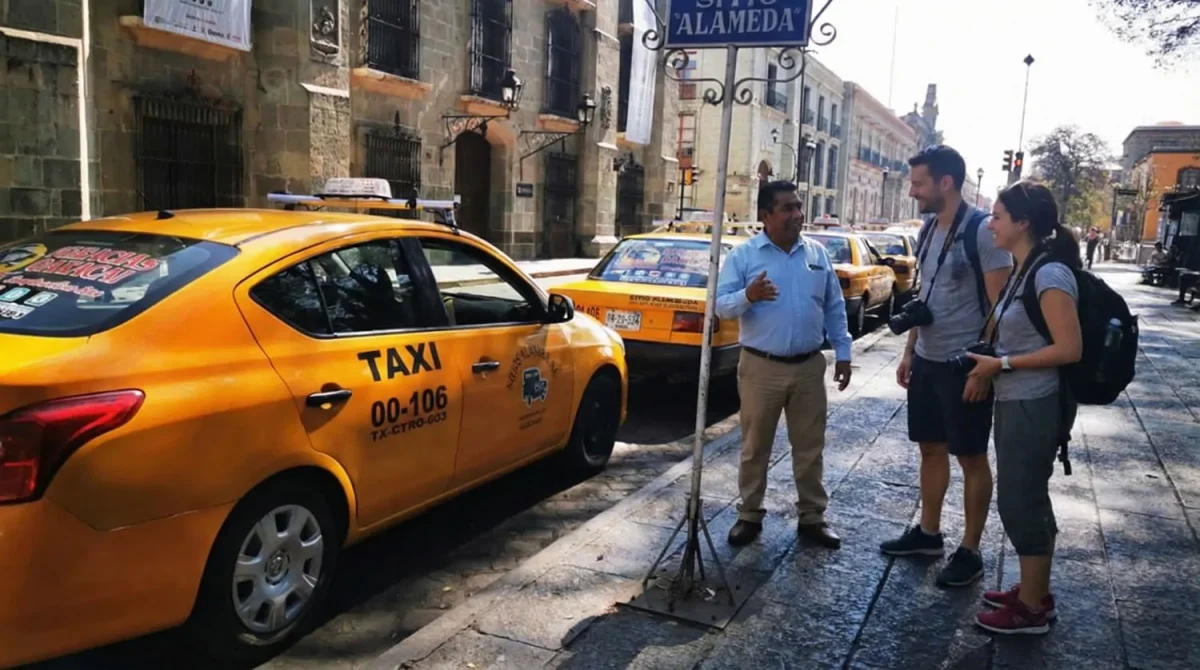
Modern cities face growing challenges regarding traffic and public transportation. Therefore, local governments and private sectors must find innovative ways to improve urban mobility. One of the most effective solutions involves the integration of technology into traditional transport systems. A digital sitio-de-taxis network can transform how a city functions and moves every day.
Streamlining Urban Traffic Flow
First, a digital network allows for better coordination between drivers and passengers. When people use a centralized system, they no longer need to search for cars on busy street corners. Consequently, this reduces the number of empty vehicles circling around the city center. Furthermore, it helps decrease overall traffic congestion during peak rush hours. As a result, the city infrastructure operates much more smoothly for everyone.
Enhancing Public Safety Standards
Moreover, technology significantly improves the security of the urban transport infrastructure. Digital platforms track every journey and verify the identity of every driver. For this reason, passengers feel much more confident when they use a registered sitio-de-taxis service. In addition, authorities can monitor transport patterns to identify areas that need better lighting or road repairs. Indeed, data-driven decisions create a safer environment for the entire community.
Reducing Environmental Impact
Additionally, an organized taxi network contributes to a greener and cleaner city. By optimizing routes, drivers use less fuel and emit fewer pollutants into the air. Therefore, the city can meet its environmental goals more effectively through digital management. Actually, many modern systems now prioritize eco-friendly vehicles within their digital fleets. Consequently, urban life becomes healthier and more sustainable for future generations.
Supporting the Local Economy
Furthermore, a digital infrastructure provides better economic opportunities for professional drivers. They can find customers more easily without wasting time or resources. Instead of struggling, they benefit from a steady stream of requests through the network. By doing this, the city supports local businesses and improves the livelihood of many families. So, a digital sitio-de-taxis serves as a vital pillar for a thriving local economy.
Conclusion for Future Cities
Finally, the transition to a digital transport network represents a major step forward for any modern city. It combines efficiency, safety, and sustainability into one powerful system. In conclusion, improving city infrastructure requires smart tools and a clear vision for the future. So, we should continue to support digital networks to build better and more connected urban spaces.